Toronto's Psychogeography, Spaces, and Places
Event Information:
We are in France, it is 1927 and The German philosopher Walter Benjamin has begun working on a project examining the Paris arcades and Baron Haussmann’s plans for urban renewal. Originally intended to be a newspaper article, Benjamin didn’t think he would spend more than a couple of weeks on the project. In what would come to be known as his unfinished opus, the Arcades Project, Benjamin revives the term Flâneur, first introduced by Baudelaire in the 1860s, in order to describe the essential figure of the modern, an urban spectator, an amateur detective and investigator of the city.
Later in 1955, theorist film-maker Guy Debord reuses the flaneur when coining his concept of Psychogeography, which he defines as "the study of the precise laws and specific effects of the geographical environment, consciously organized or not, on the emotions and behavior of individuals."[1]
When I moved to Toronto in 2012, I was quickly drawn to the city’s geography, first the labyrinth of buildings downtown and then to natural locations like Toronto Island and the Don Valley. But as I explored more I started to find places that didn’t just appeal to me because of their beauty but because of an unexplainable intrigue, or dissonance, that drew me in. Although I didn’t know the term at the time, I now know this was the psychogeographic effect of sites such as the portlands, the leslie street spit, and countless buildings and alleyways around the city. As I started to engage more with Toronto’s geography I started to learn about other people, and organizations, who were engaging in this type of urban wandering. The Architectural Conservancy Ontario, Spacing Magazine, Art Spin, and the Infiltration zine all became important resources for me to understand a type of urban exploration that seemed particular to Toronto. When I first read Shawn Micallef’s book “Stroll” I was thrilled to find out that when he first moved to Toronto he found Ninjalicious’ small xeroxed black and white Infiltration zine at Suspect Video. It was reading this small crossover that started to put what I had thought of as independent practices into a continuum of Toronto psychogeography and associated way of thinking.
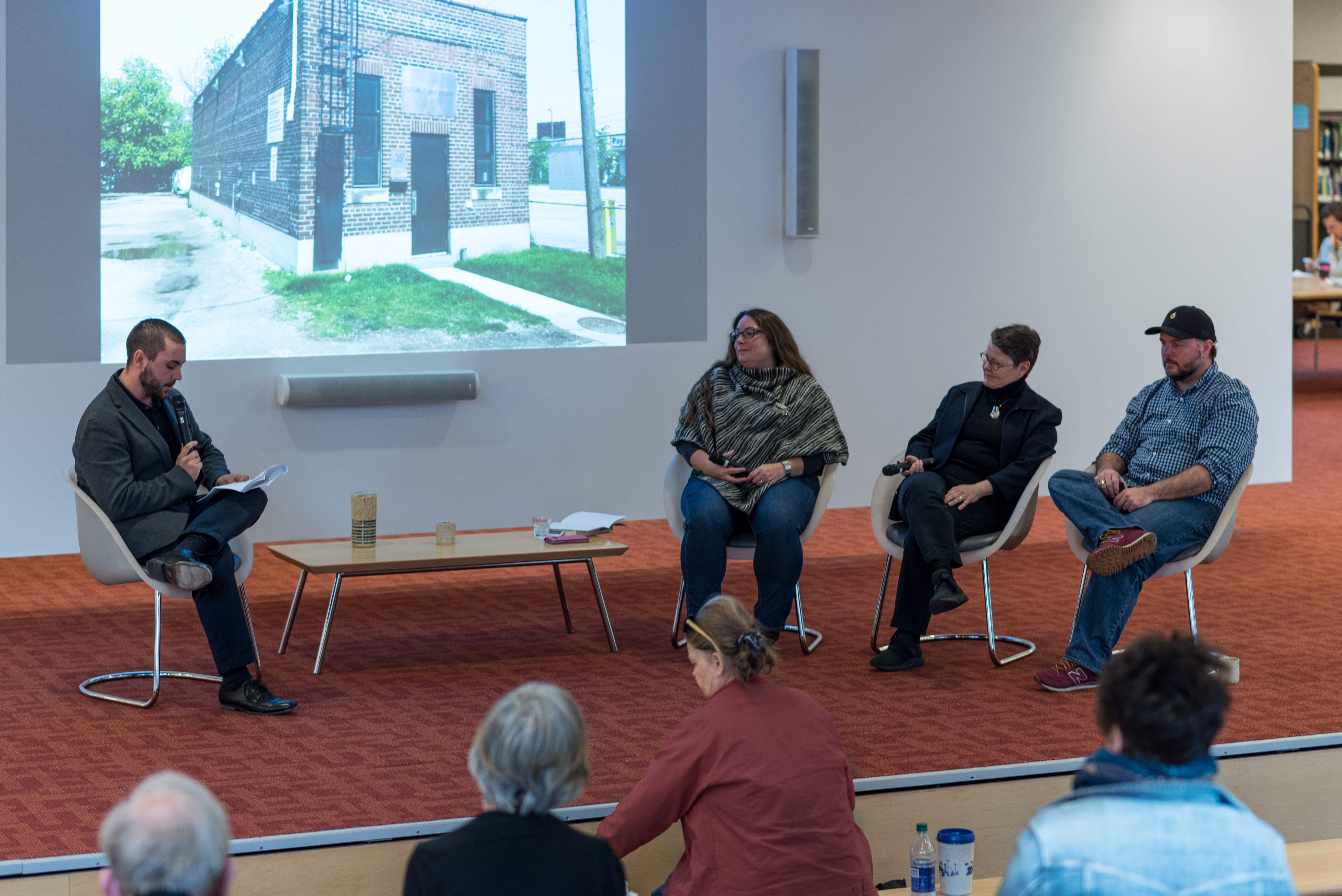
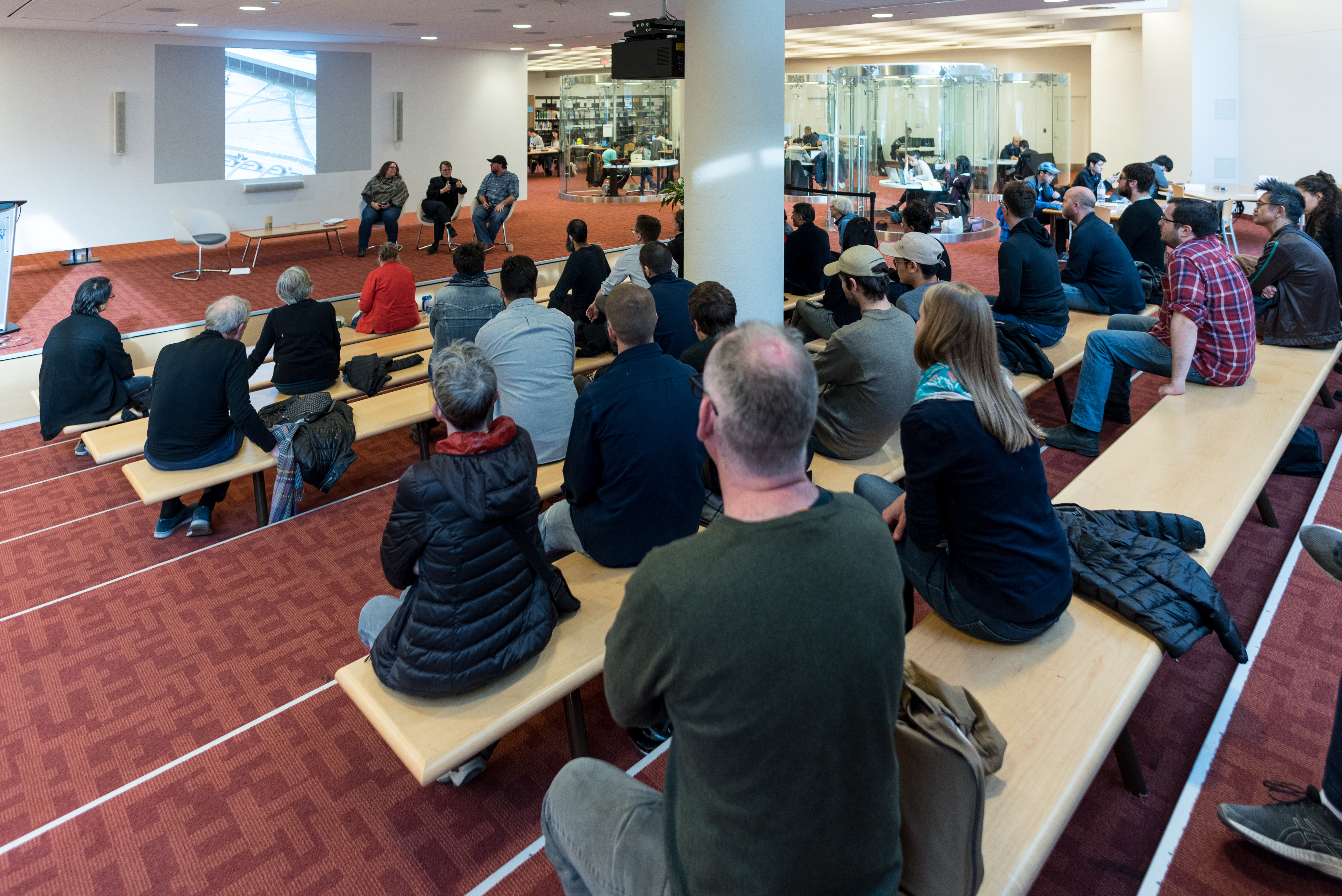
This panel explores the practice, and tradition, of psychogeography in Toronto to show how this playful urban drifting can not only reveal new layers of the city but also how these layers affects our emotions, behavior, and awareness.
Guest Speakers:
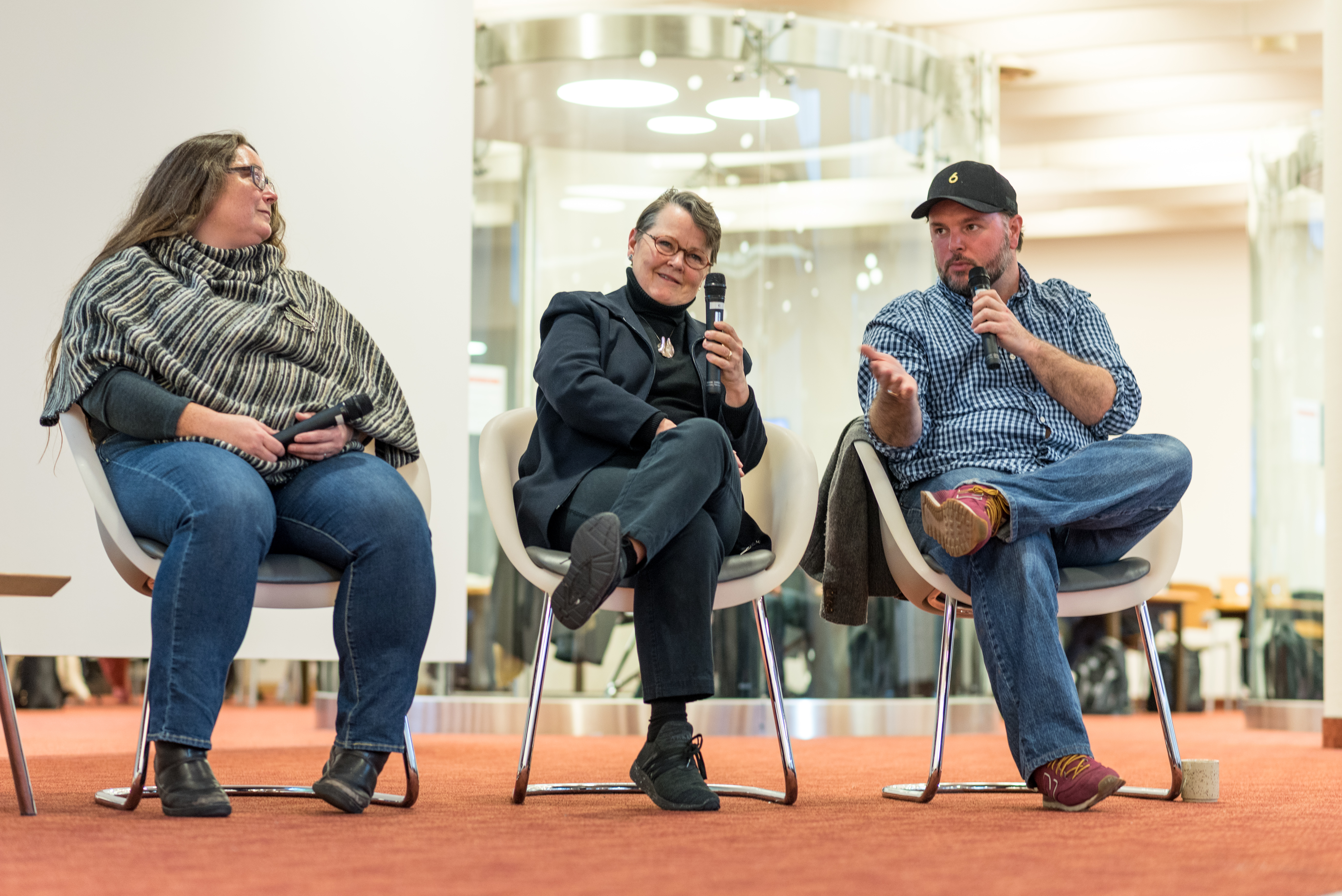
Matt Blackett (Publisher, Spacing Magazine), Catherine Nasmith (President, Architectural Conservancy Ontario), Amy Lavender Harris (Author, Imagining Toronto)
Spacing Magazine Press